

The brief reply: Yes, in most of the cases it is safe to iron linen shirts after dry cleaning, but only when you do it correctly. Dry clean has the ability to eliminate dusts and oils, but it does not make wrinkles permanent. Linen also wrinkles as it is worn so it often needs touching up with an iron. Nevertheless, when ironing is not done properly, it may ruin the cloth or leave the shiny areas. That is why it is necessary to know how to iron a linen shirt in the right way, in particular after its professional cleaning. Features of Linen: Linen is a natural material obtained from the fiber of the flax plant. It has been prized for centuries, particularly for its distinct qualities in warm weather. The following explains the reasons for the widespread adoration of linen shirts, and what you ought to know about ironing linen shirts or their dry cleaning services: Breathable and lightweight: They permit air to flow, while keeping you cool even on warmest days. Naturally absorbent: It soaks up moisture fast, hence the reason why linen shirts do not get easily weary. Durable and strong: Linen fibers are stronger than cotton so when you take your shirt to the linen cleaning service this can last many years. Traditional texture: Linen is textured and matte; it is relaxed and stylish. Easy to wrinkle: Wrinkling can be said to be one of linen’s attributes. So, it is very crucial that you know how to properly iron linen shirts, paired with the gentle ironing techniques. How to Iron Linen Shirt Safely After Dry Cleaning: This is a step by process of ironing a linen shirt you should follow after linen cleaning service: Look at the care label: The first thing you should do before you begin your work is take a closer look at the care label on your shirt. Although the majority of linen shirts can be ironed, it might have special stipulations. Apply the appropriate tools: A steam iron of preferably adjustable temperature (clean), An ironing board that is padded Water or linen spray bottle Select the right temperature: Adjust your iron at the level of linen or high. Delicate fabrics are an exception as they are more sensitive to heat than linen, but still keep the iron on the move as it may burn things. Iron a little moist: Moisture is the key to ironing linen. Take the shirt and iron it when it is still feeling a little wet after the process in the dry cleaner, or lightly distribute water on the garment. The wetness relaxes the fibers and it causes removal of wrinkles to be easy. Iron Inside out: Place it inside-out and then iron it. This lessens the chances of the shiny areas on the surface of the fabrics. Use steam: Linen shirts need steam. It can ease inelastic creases leaving the fabric intact. Undergo the cutting of shirt: Begin with the collar then the cuffs, sleeves, yoke and lastly the body of the shirt. Move the iron slowly as it makes smooth movements. Hang immediately: To prevent your linen shirt after ironing, hang it in a padded hanger. Alternatives of Ironing Linen Shirts: In case you are tired of ironing your linen shirt or you are aware of the harm you can cause to the delicate fibers- there are actually easier ways of making your linen shirt appear renewed. The following are some of the techniques that may be used instead of ironing linen, and that will save you a lot of time and at the same time maintain the quality of the fabric. Garment steamer: It is a quick, relatively wrinkle-releasing method that is better suited in cases when you are unsure of how to iron a linen shirt safely. Dry in a steamy bathroom: Creases relax in a steamy shower. Professional pressing: In most of the dry clean services the shirts are returned without the need to iron them at home. Air dry properly: Upon washing or using a linen cleaning service, shake out the shirt and hanging carefully will minimize wrinkles. These simple alternatives help keep your linen shirts smooth, stylish, and ready to wear — with less effort than daily ironing. Tips to Keep Your Linen Shirt Looking Great: Even if you know the best way to iron a linen shirt, it’s usually better to prevent the need to iron altogether. Here are some simple ideas to keep your shirt fresh between wears and cleanings: Hanging your linen shirts is better to avoid wrinkles than folding them. Don’t overload your closet with the linen; it needs space to breathe. Just think of owning a handheld steamer for those quick and simple touch-ups. Last, agree with professional dry cleaning services to retain your shirt’s quality and shape. Conclusion: Therefore, can linen shirts be dry cleaned and ironed? Yes, but only when you follow the correct method. Linen does not get wrinkled easily, just as long as you handle it gently, use steam and the necessary methods, your shirts will appear smooth and classy. Either you use specialists and access the use of dry cleaning services or feel like you manage to press shirts at home, knowing how linen shirts should be ironed matters everything. It should fold back into its relaxed elegance and under proper care, your favorite shirts should keep you in style for many years. FAQs: Can I just leave my linen shirts without ironing? Yes, one can. Use the handheld steamer, hang it in a steamy bathroom while you take the shower, or seek the assistance of dry-cleaning pros for the best pressing. Without having to learn to iron linen shirts, these alternatives would keep your shirt fresh. Are linen shirts dry cleaned? Definitely. Professional cleaning linen preserves the fabric, color, and shape of your shirt. Most dry cleaning services also return your linen shirts to you newly pressed; saving you the trouble of ironing linen shirts at home. Why do linen shirts wrinkle so much? Linen

How Does Dry Cleaning Service Work? Types, Process & Best Fabrics
If you want your clothes to look fresh, clean, and last longer, a professional dry-cleaning service is a must. Most people go for dry cleaning services, but few know about the inside of the process. It is more than just solvents to choose from and fabrics to be cleaned or not. Let us learn what dry cleaning is, what are its types, how it works, and what are the fabrics that actually benefit from it. What is Dry Cleaning? As the name suggests, dry cleaning is not all dry. It has replaced water with a dry solvent cleaning agent effective and non-abrasive when it comes to cleaning clothes. It is a solvent that loosens up stains and oils but runs no danger of shrinking, fading and not destroying tender fabrics that are not able to cope with a regular wash. The concept of dry cleaning is several centuries old, whereas the modern-day dry cleaning service is all about technology and chemistry that makes the garment appear new without damaging them. The result? Fresh shirts, silk smooth suits and dresses with little or no wear and tear. Types of Dry Cleaning: There are various forms of cleaning techniques available in modern dry cleaners services depending on the sensitivity of fabric, environmental impacts and the nature of stain. The following are some of the most typical ones: Traditional Dry Cleaning: In this method, a predominant dry cleaner solvent, such as perchloroethylene (or perc) is usually utilized. It works wonders of getting rid of persistent grease and oil marks. Green Dry Cleaning: The latest trending involves the use of environmentally safe solvents like liquid CO 2, or silicone-based solution. These are also easier both on the environment and clothes Wet Cleaning: Wet cleaning is not regular washing as its name portrays. It works with water and special biodegradable detergents regulated by computers in order to prevent damaging to delicate fabrics. When you pick a trusted dry cleaner, they will guarantee that your garments get precision executed between cleanliness and care. How Does the Dry Cleaning Process Work? Ever wondered what goes on in your dry cleaning shop after you drop off your clothes? Here is a dry cleaning process in six steps: Inspection: The dry cleaner checks the garment for stains, missing buttons, or damage. Stain Treatment: Before a cleaning operation, tough stains are treated manually with special agents depending on the type of stain. Cleaning: Clothes are placed into a big machine and gently agitated in dry cleaning solvent to dissolve dirt and oil. Spot Treatment: Any stains found after an initial cleaning treatment are treated again. Pressing and Finishing: The garments undergo steam treatment, pressing, and finishing so they look freshly tailored. Final Inspection: The dry cleaners conduct a final inspection before handing the items back to customers. An intensive procedure is why your clothes from dry cleaners nearby often look better than after a regular wash. Which Fabrics Need Dry Cleaning: Every garment does not require professional care but some garments and materials respond well to an automatized cleaning that a dry cleaning service can provide: Wool & Cashmere: Water may shrink them or make them distorted. Silk: Dry cleaning retains the smoothness of texture and avoids fading. Linen & Suits: Stiffer clothes and jackets will be kept in shape best through dry clean treatment. Velvet and Embellished Items: Materials made of delicate materials, such as velvet or beaded or embroidered clothes are at risk of getting damaged by water. Picking care labels and trusting local dry cleaners, you could make fragile clothes last longer and remain as good as possible. Why Choose a Professional Dry Cleaning Service? Though a number of stains might seem easily handled at home, a professional dry cleaning company will make a huge difference: Expert Stain Removal: They know the best solvent and or techniques for each of their stains. Fabric Care Knowledge: They know how to properly clean each fabric. Time-Saving: Leave the worries behind; allow experts to handle delicate clothes. Quality Finish: They will be returned to you pressed, reshaped, and ready for wearing. Next time you look for nearby dry cleaners, keep in mind that you are not just buying clean clothes, but also the quality and style earned by them. Conclusion: Dry cleaning is not simply about a rapid wash, but is a form that has been made to preserve and clean your most prized garments. Various kinds of dry cleaning, professional procedures, and dedicated dry clean solvents, a trustworthy dry cleaner will make your wardrobe look beautiful and durable longer. Your favorite silk blouse, careful suit or a fine evening dress just can not be left behind without the help of nearby dry cleaners. When you spend the time to drop your clothes off next, you will have a clear knowledge of what is going on in the background, and how and why it is so important. FAQs: What is dry clean? Dry cleaning refers to a professional cleaning procedure that makes use of an exclusive dry cleaning solution rather than water. It is also safe in removing stains, dirt, and oils of delicate materials which could shrink, stretch or become damaged in ordinary washings. What is the process behind the dry cleaning? Garments are examined, pre-treated and carefully washed on a machine using dry cleaning solvent. Thereafter, clothes are pressed, completed and inspected to confirm that they appear clean as they are given back to the consumer. What materials should always be dry-cleaned? Examples of items that have a great likelihood of requiring professional dry cleaning services to maintain texture, color, and shape include silk, wool, velvet, linen suits and embellished and structured items. Dry cleaning or home washing, which is the best? Yes in the case of fine and tailored items. It has a thorough cleaning, and by not letting any water interfere into the process the result is a non-damaged garment. The best level dry cleaner tends to remove the highly stubborn stains more than the

How To Get Yellow Stains Out Of White Shoes?
White shoes are cool, new, and match almost any look. There is one annoying issue which nearly everyone has to encounter: yellow stains. Those yellow stains tend to reemerge even after you have battled your best to remove them on white sneakers. What then would cause them and more importantly, how do one go about removing the stain on the white shoe? Here we will discuss why it occurs, and how this can be rectified perfectly, how to clean the yellow sole, and some useful tips that help in maintaining the shoes like new. Why Do White Shoes Turn Yellow? Now before cleaning your white shoes properly, look at what turns them yellow in the first place. Here are some common causes: Oxidation: Air and sunlight come into contact with white rubber or canvas and react with oxygen, practically giving a yellowish tinge to it. Improper Cleaning: Using harsh bleach or strong chemicals can leave yellow stains rather than showing the stains out. Sweat & Dirt Build-up: Wearing shoes every day leaves sweat, oils, and dust settled into its fabric, which again makes it yellow, especially in white canvas or mesh. Moisture: Being wet for too long causes mold or yellow water stains. Understanding the cause will help you in knowing which cleaner is best for white shoes and avoiding mistakes that would make things worse over yellowing. How To Fix Yellow Stains on White Shoes: It’s an interesting question, “how to get stains out of white shoes’s links”? Depending on the material and type of stain, the answer will vary. Here are some of the most effective ones: Baking Soda & White Vinegar Easiest way to clean white sneakers with naturally found things: For the preparation of a paste, take equal parts baking soda and white vinegar. Gently scrub the stained areas using a toothbrush. After leaving on for 30 minutes, rinse thoroughly with cold water. Air dry in a shaded area. It will treat superficial stain removal with no harsh chemicals. Toothpaste Trick Plain, non-gel white toothpaste is a great quick fix. Applying toothpaste to the stained areas and gently scrubbing with a toothbrush will work wonders. Leave it on for about 15 minutes. Wipe off with a damp cloth. Pretty simple, and it works for smaller stains on canvas or mesh. Use Mild Detergent or Sneaker Cleaner To clean them more thoroughly, select the most suitable cleaning agent to use on your white shoes; one that would preferably be a mild detergent or sneaker cleaner: Put detergent in warm water. Scrub off the stains with a soft brush or a cloth. A light rinse followed by letting them dry in an area with no direct sun. Avoid using bleach as it has the potential to make more yellowing instead of preventing it. Extra Tips to Prevent Yellow Stains: Aside from learning how to clean your white shoes, prevention remains the best option for maintaining their brightness: Don’t dry in direct sunlight: Dry your shoes indoors or under the shade to prevent oxidation. Use sneaker protectors: Consider using a fabric protector spray to guard against dirt and water. Clean regularly: Even a quick wipe every week will help in avoiding deep stains. Store properly: Store your shoes in a cool and dry place, avoiding a damp closet or a place where sunlight comes through a window. With tiny habits, you will have less time getting those stubborn stains out and more time enjoying those clean white sneakers. Conclusion: White pair of shoes is great- but they can get old very quickly due to yellow spots. Fortunately, the ability to remember how to remove the stains on the white shoes enables you to restore them. It can be the white shoe cleaner, baking soda and vinegar or the toothpaste. How to clean it down doesn’t matter as you have choices that will do the trick. Do not forget: the cleaning should be mild, drying out of direct sunlight, and the use of hard chemicals that increase the yellowing. Your white sneakers should be regularly maintained to be in great condition and appear new, white, and eye-pleasing at any time. Knowing how to take good care of your white shoes and their yellow soles, now you are confidently going to step out in whichever pair is your favorite one and are never going to worry about the stubborn stains on them. FAQs: Why do my white shoes always turn yellow after cleaning? Because of exposure to sunlight and air, oxidation takes place inside, or through usage of bleach and strong chemicals, and also drying under direct sunlight accelerates yellowing. It will be safer to use mild products and drying in shade as the alternatives. How do you get the stains out of white shoes naturally? Mix baking soda with white vinegar in an equal ratio and use a toothbrush to scrub and allow it to dry up in 30 minutes, wash off with cold water and place it to air dry but in the shade to prevent further yellowing of your fresh white sneakers. What is the best cleaner for white shoes? A mild detergent or sneaker cleaner made specifically for white shoes. Avoid bleach because it can cause stained yellow. If cleaning a white sneaker, always prefer gentle cleaners that can protect the color and fabric. How to clean white shoes without yellowing them? A mild soap or sneaker cleaner is used for cleaning, then thoroughly rinsed in cold water, after which it is allowed to dry. It is good to refrain from bleach or strong chemicals. Proper drying with gentle cleaning suffices for those bright, fresh white sneakers to avoid yellow stains. Is toothpaste good at removing yellow stains from shoes? Yes! Non-gel white toothpaste goes onto the stains and is scrubbed gently with a toothbrush. Ten to 15 minutes of waiting time gets you a lovely wipe, clean using a damp cloth. It’s all the quickest and simplest way to assist stains with natural removal in
How to Keep Commercial Carpets Clean: Proven Methods & Tips
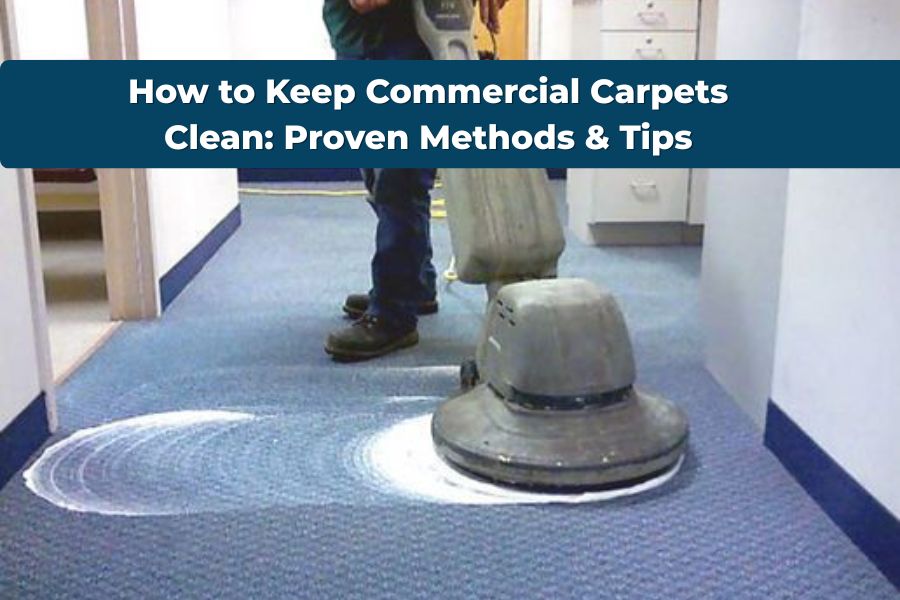
Every day commercial buildings, be it offices, hotels, or retail space, have high traffic. The result of this everyday usage is dirt, dust, and stains which accumulate deep down carpets. It is only through regular carpet cleaning services that such spaces can be maintained to be fresh, professional and healthy. But in case of carpet in a highly populated office or commercial place, how is it to be cleaned? It is time to proceed to the closer investigation of why office carpet cleaning is significant, what are the most effective methods, and the tricks which may lead to the achievement of the most promising result. Why Office Carpet Cleaning Is Important: Clean carpets are more than pretty to look at. They bring a better environment, cut down on allergens and create a positive impression on both the clients and employees. Carpets in commercial areas tend to hold dust, bacteria, and other pollutants which are introduced in the area. Unless the carpet is cleaned properly, these pollutants end up pilling up causing bad smells which even result in health complications. Other than hygiene, a clean office carpet can save a business by sparing it of high replacement costs incurred by using a carpeted floor. It is not entirely esthetic: it is a question of preserving value, a comfortable working area. Best Way to Clean Carpet in Commercial Buildings: It does not have one common technique which suits all commercial carpets. The cleaning of carpet should be based on the material, the nature of dirt/ stain and the urgency at which the carpet should be prepared to use again. These are some of the most efficient techniques applied by professional carpet cleaner companies: Hot Water Extraction (Steam Cleaning) Often regarded as the gold standard, hot water extraction involves the use of heated water with a cleaning solution that is sprayed deep into the carpet fibers. Powerful machines then extract the water, dirt, and debris. Pros: Deep cleans, eliminates resistant stains, good for heavy duty shoppers areas.Cons: Carpets might require a number of hours to completely dry. Carpet Dry Cleaning Carpet dry cleaning is the best way to go for businesses not wanting to afford any downtime. This process involves very little moisture and unique cleaning powders that bond with dirt particles, after which a thorough vacuuming is performed. Pros: Quick drying (normally done under the hour) suitable for fragile carpet.Cons: Does not effectively eradicate stains as easily as steam cleaning at all times. Bonnet Cleaning Bonnet cleaning is a common solution to office carpet cleaning since it includes the use of a rotating machine with a cleaning pad that is impregnated with a solution. It is perfect when it comes to cleaning surfaces fast. Pros: Quick, low-cost, minimal drying time.Cons: It mainly cleans the surface; unless the dirt has deeply entered into the fibers, it stays there. Encapsulation This is the new method which involves the use of cleaning foam which crystallizes on the dirt particles. When dry, such particles can then be easily vacuumed. Pros: Fast drying and eco friendly, less water consumption.Cons: Does not work very well on heavy, oily soils. Practical Steps for Office Carpet Cleaning: In fact, combining the following practices with a properly laid out timetable will generally give the best results for most businesses: Repeated Vacuuming: Is upset by the fact that dirt is able to penetrate deep into the carpet during regular vacuuming. Spot Cleaning: Clean up spills and stains immediately. Scheduled Deep Cleaning: Professional refurbishment within a time frame of 6-12 months and then depending on which carpet (type of carpet) and the amount you use it would be. Install Walk-off Mats: With mats at entrances, one reduces the amount of dirt brought into the space. Employee Awareness: Most of the food and beverage consumptions should be prohibited from carpeted areas whenever possible, according to the policy. Choosing the Right Carpet Cleaning Service: Not all cleaning companies are ready to work in the sphere of commerce. Seek suppliers with modern equipment and environmentally friendly solutions that specialize in office carpet cleaning. Enquire on the cleaning techniques they apply, their precautionary measures and the time frame that the carpets will be in use again. A professional service cleans more than that, they examine the kind of carpets, select a cleaning agent that fits the carpet and also aid in making a schedule that will cause minimum disturbance to the business. Tips to Extend Carpet Life: These are some of the basic practices that should keep a commercial carpet in excellent shape besides routine cleaning: Restructure furniture position sometimes as a way of altering traffic routes. Keep the HVAC systems clean in order to minimize the dust that settles on the carpets. Utilize carpets that are stain resistant in high foot traffic areas. This is all coupled with a stable carpet cleaning service to make sure that your carpets are fresh, clean and durable. Conclusion: Cleaning the carpets in the commercial place does not only involve aesthetic appearance but the establishment of a healthy and welcoming environment to all who enter the door. The most effective method of cleaning carpet is based on the individual needs of your business as well as the specific type of carpet you have and the frequency at which you will have it cleaned. Whether it is dry cleaning to clean a carpet with tiny spots to eliminate for a short time or steam cleaning to clean an impossible stain, there is an approach that suits every working place. Cleaning carpets with professional tools and practicing proactive maintenance will ensure that your investment remains intact but you get to enjoy a better and healthy business setup next year and on. FAQs: Which method is best for cleaning carpets in commercial buildings? The best method usually consists of the combination of regular vacuuming, spot treating, and deep cleaning by either hot water extraction or dry cleaning methods. Being professional carpet cleaning services keep office carpets smelling fresh, assuages stubborn stains, and